Imagine doubling your qualified leads with a seamless integration of SEO and PPC—this guide shows you how. In the fast-paced world of SaaS, understanding how to combine SEO and PPC for lead generation can be the key to unlocking unprecedented growth. By mastering these two powerful marketing strategies, you can not only drive more traffic to your site but also ensure that the visitors are primed to convert into loyal customers.
This comprehensive guide will walk you through the basics of SEO and PPC, exploring the differences and unique synergies between them. You’ll learn why integrating these strategies matters, followed by a step-by-step approach to creating a unified plan that maximizes results. We’ll dive into budgeting strategies, providing insights on how to allocate resources effectively and consider ROI, ensuring that every dollar spent contributes to your bottom line.
Additionally, you’ll discover essential tools and analytics techniques to measure success, making data-driven decisions that propel your SaaS company forward. Real-world case studies will offer valuable lessons from top-performing companies, while a look into future trends will keep you ahead of the curve. With this guide, you’ll have everything you need to revolutionize your lead generation strategy and watch your business soar.
Understanding the Basics: SEO vs PPC
What is SEO?
Search Engine Optimization (SEO) is a strategic approach to enhancing your website’s visibility on search engines like Google. For SaaS companies, SEO focuses on increasing organic traffic by improving your site’s ranking for relevant keywords. This involves optimizing various elements like content, meta tags, and backlinks. The ultimate goal is to attract potential leads over time through unpaid, organic search results.
Why should a SaaS business care about SEO? Primarily because it builds long-term credibility and trust with your audience. Moreover, as your site climbs higher in search rankings, it can lead to a steady stream of potential customers without the recurring costs associated with paid advertising.
- Content Optimization: Creating valuable and keyword-optimized content that meets the needs of your target audience.
- Technical SEO: Ensuring your website’s technical elements, like speed and mobile-friendliness, are up to par.
- Link Building: Acquiring high-quality backlinks to enhance your site’s authority.
What is PPC?
Pay-Per-Click (PPC) advertising is a model of internet marketing where advertisers pay a fee each time one of their ads is clicked. It’s essentially a way of buying visits to your site, rather than earning them organically. For SaaS companies eager for immediate results, PPC can be an effective method to generate quick leads and drive traffic rapidly.
PPC ads can appear on search engines, social media platforms, and websites that accept advertising. The most common platform for PPC is Google Ads, where you bid on keywords related to your business. When done correctly, PPC can target specific demographics and yield high conversion rates.
- Targeted Advertising: Reach your ideal customer with specific ads tailored to their preferences.
- Measurable Results: Easily trackable metrics allow you to gauge the success of your campaigns in real-time.
- Immediate Traffic: Unlike SEO, which takes time, PPC can bring immediate visibility and clicks.
SEO and PPC: Differences and Synergies
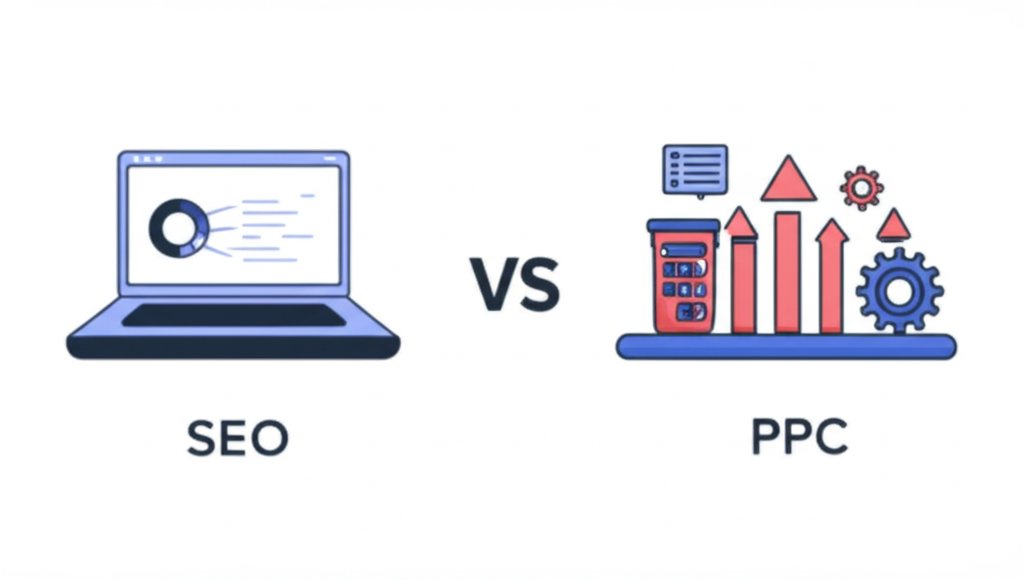
While both SEO and PPC aim to drive traffic to your website, they do so in fundamentally different ways. SEO is a long-term strategy focused on building organic presence, whereas PPC offers immediate results through paid efforts. However, when combined effectively, they can complement each other and maximize lead generation for SaaS businesses.
| Factor | SEO | PPC |
|---|---|---|
| Cost | Typically lower ongoing costs after initial investment | Costs are ongoing based on clicks |
| Time to Results | Long-term; usually months | Immediate; instant visibility |
| Sustainability | More sustainable over time | Sustained only as long as budget allows |
| Control | Less control over ranking positions | Complete control over ad placement and targeting |
The key to mastering how to combine SEO and PPC for SaaS lead generation lies in understanding their synergies. By using SEO to build a strong organic foundation and supplementing it with PPC for targeted campaigns or new product launches, you can effectively capture a wider audience. As you move forward, consider integrating data from both strategies to refine your overall marketing efforts. This approach not only boosts your visibility but also leverages the strengths of both channels for maximum impact.
The Power of Integration: Creating a Unified Strategy
Integrating SEO and PPC can seem daunting, but the payoff is well worth the effort. By combining these two powerful strategies, your SaaS lead generation efforts can achieve new heights. Let’s explore why this integration matters and how you can effectively create a unified strategy to maximize your results.

Why Integration Matters
When it comes to lead generation for SaaS businesses, SEO and PPC are often seen as separate entities. However, integrating them can bring a host of benefits:
- Comprehensive Coverage: SEO builds long-term visibility in organic search results, while PPC provides immediate presence with paid ads. Together, they ensure your brand is visible at every stage of the buyer’s journey.
- Data Synergy: Insights from PPC campaigns can inform your SEO strategies. For instance, successful keywords from PPC can be targeted in your SEO efforts, optimizing content creation and improving organic rankings.
- Cost Efficiency: By analyzing which keywords perform best in PPC, you can allocate budget more effectively and focus on SEO for those that convert well, potentially reducing overall costs.
- Improved Click-Through Rates (CTR): When users see both organic results and ads for your brand on the SERP, it reinforces credibility and increases the likelihood of clicks.
Steps to Integrate SEO and PPC
Now that you understand why integration is crucial, let’s delve into the practical steps for combining SEO and PPC for effective SaaS lead generation:
- Conduct a Unified Keyword Research:
Begin by using tools like Google Keyword Planner and Ahrefs to gather data on keywords. Identify which terms are performing well in PPC and explore their potential in organic search. This dual approach ensures you’re targeting high-impact keywords across both channels.
- Create Cohesive Content Strategies:
Your content should reflect the insights gained from both SEO and PPC. Align your landing pages, blogs, and ad copy to address the same user intent identified during your keyword research. Consistency enhances user experience and boosts engagement.
- Monitor and Adjust Campaigns Collectively:
Use analytics tools to track performance across both channels. Platforms like Google Analytics provide insights into how visitors interact with your site post-click. Regularly adjust your strategies based on what the data reveals about consumer behavior.
- Utilize Retargeting:
PPC retargeting ads can be used to re-engage users who initially found you through organic search. This tactic keeps your brand top-of-mind and encourages conversions from those who are already interested in your SaaS product.
- Set Unified Goals:
Your end goals for both SEO and PPC should complement each other. Whether it’s increasing lead quality or boosting conversion rates, having a clear objective helps teams stay aligned and focused.
| Strategy | SEO Impact | PPC Impact |
|---|---|---|
| Keyword Research | Improves organic search targeting | Enhances ad relevance and quality score |
| Cohesive Content | Boosts SEO rankings through high-quality content | Increases ad engagement via aligned messaging |
| Monitoring & Adjustment | Keeps SEO strategies responsive to trends | Optimizes ad spend based on performance data |
By following these steps, you’ll not only understand how to combine SEO and PPC for SaaS lead generation but also witness firsthand the power of an integrated marketing approach. As you move forward, keep an eye on emerging trends in both areas to stay ahead of the competition. The next section will delve deeper into budget considerations, ensuring that your resources are allocated effectively for maximum impact.
Budgeting for Success: How to Allocate Resources
Determining Your Budget
Creating a strategic budget is crucial when you’re looking to effectively combine SEO and PPC for SaaS lead generation. But how do you decide how much to allocate to each channel? It begins with understanding your business goals and the role each channel plays in achieving them.

Start by assessing your current financial position. What portion of your revenue can be reinvested into marketing? Typically, SaaS companies allocate around 6-12% of their revenue towards marketing efforts. Within this, a balanced allocation between SEO and PPC can drive optimal results.
Consider your business objectives. Are you looking for immediate visibility or long-term growth? PPC offers quick results and immediate traffic, which is perfect for short-term campaigns or new product launches. On the other hand, SEO is a long-term investment that builds organic traffic over time.
- Current Performance Analysis: Evaluate past performance metrics to understand where your money is best spent. Analyze data from your SEO and PPC efforts to identify which strategies produced the most leads.
- Competitive Analysis: Examine competitors’ strategies. Tools like SEMrush or Ahrefs can provide insights into where your competitors are investing their efforts and how you can differentiate.
- Resource Allocation: Decide on how much manpower and time you can allocate to each channel. SEO often requires more time upfront, while PPC needs ongoing budget adjustments based on performance.
Once you’ve determined these factors, you can begin to build a budget that aligns with your business goals and market conditions.
ROI Considerations
Maximizing ROI is the end goal of any marketing strategy, and this holds true when you’re figuring out how to combine SEO and PPC for SaaS lead generation. Ensuring a good return on investment requires a careful analysis of cost versus outcome.
Calculate the potential ROI by understanding the cost per acquisition (CPA) and lifetime value (LTV) of your customers. This will help you determine how much you can afford to spend on acquiring each new customer through SEO and PPC efforts.
To illustrate this, let’s look at an example:
| Channel | Monthly Spend | Leads Acquired | Cost per Lead | LTV per Customer | ROI |
|---|---|---|---|---|---|
| PPC | $10,000 | 200 | $50 | $500 | 900% |
| SEO | $5,000 | 100 | $50 | $500 | 900% |
In this example, both channels have the same cost per lead and LTV, but the ROI is significantly influenced by the efficiency of spend and the scale of leads acquired. The key is to optimize each channel for better performance continuously.
Regular Performance Reviews: Establish regular review intervals—monthly or quarterly—to evaluate the effectiveness of your budget allocation. Use tools like Google Analytics and HubSpot to track conversions and adjust spending according to which channel yields better results.
Incremental Testing: Implement small-scale tests to refine your strategies. A/B testing different ad copies in PPC or experimenting with various keywords in SEO can reveal valuable insights that allow you to tweak your budget allocation for better impact.
Flexible Budgeting: Be prepared to shift funds between channels as needed. If PPC is generating higher returns during a specific quarter, consider increasing its budget temporarily. Conversely, if SEO shows promising growth in organic traffic, allocate more resources there.
By carefully setting your budget and focusing on maximizing ROI, you ensure that your investment in SEO and PPC drives substantial growth for your SaaS business.
Tools and Analytics: Measuring Success
Successfully combining SEO and PPC for SaaS lead generation doesn’t stop at implementation. To truly master your strategy, you need the right tools and analytics to measure success. With a plethora of options out there, it can be overwhelming to decide which tools to use and how to interpret the data they provide. This section will guide you through the essential tools and offer insights on how to analyze your data effectively.
Essential Tools
To track the performance of your integrated SEO and PPC efforts, you need a robust toolkit. Here are some essential tools that can help you streamline your processes and enhance your results:
- Google Analytics: A staple for any digital marketer, Google Analytics provides comprehensive insights into website traffic and user behavior. It allows you to monitor the performance of both organic and paid campaigns in one place, offering a unified view of your efforts.
- Google Ads: Essential for managing PPC campaigns, Google Ads offers data on ad performance, including clicks, impressions, and conversions. It complements Google Analytics by providing additional metrics specific to paid search.
- SEMrush: This tool is invaluable for keyword research and competitive analysis. SEMrush helps you identify high-performing keywords for both SEO and PPC, allowing you to optimize your strategy continuously.
- Ahrefs: Known for its robust backlink analysis capabilities, Ahrefs also offers keyword research and content analysis features. It’s a great tool for enhancing your SEO strategy by identifying link-building opportunities.
- HubSpot: For a more comprehensive approach, HubSpot offers tools for SEO, PPC, and inbound marketing. It integrates well with other platforms, making it easier to manage all aspects of your lead generation strategy.
These tools provide a solid foundation for tracking and analyzing your campaigns. By using them in conjunction with each other, you can gain a holistic view of how your SEO and PPC efforts are contributing to SaaS lead generation.
Interpreting Data
Once you’ve set up your tools, the next step is to interpret the data effectively. Understanding what the numbers mean is crucial for making informed decisions about your marketing strategy. Here are some key metrics to focus on:
- Conversion Rate: This metric indicates the percentage of visitors who take a desired action, such as signing up for a free trial or making a purchase. A high conversion rate suggests that your landing pages are effective.
- Cost Per Acquisition (CPA): CPA measures how much you’re spending to acquire each customer. By analyzing this metric, you can determine if your PPC campaigns are cost-effective.
- Click-Through Rate (CTR): A critical metric for both SEO and PPC, CTR shows how often people who see your ad or organic listing end up clicking on it. A higher CTR can lead to better ad placement and lower costs.
- Bounce Rate: This tells you the percentage of visitors who leave your site after viewing only one page. A high bounce rate may indicate that your landing pages need optimization.
- Keyword Rankings: Tracking your keyword rankings helps assess the effectiveness of your SEO strategy. Tools like SEMrush and Ahrefs can provide valuable insights into how well you’re performing in search results.
To make sense of this data, consider setting up a dashboard that consolidates metrics from various tools in one place. This makes it easier to spot trends and identify areas for improvement quickly.
| Metric | Description | Tool Example |
|---|---|---|
| Conversion Rate | Percentage of visitors completing a desired action | Google Analytics |
| Cost Per Acquisition (CPA) | Cost associated with acquiring a new customer | Google Ads |
| Click-Through Rate (CTR) | Rate of clicks per impressions | SEMrush |
| Bounce Rate | Percentage of single-page visits | Google Analytics |
| Keyword Rankings | Your position in search results | Ahrefs |
The combination of these tools and metrics not only helps in tracking performance but also in refining strategies for better outcomes. As you continue to explore how to combine SEO and PPC for SaaS lead generation, remember that consistent monitoring and adjustment based on data insights are key to success.
Case Studies: Learning from the Best
To truly understand how to combine SEO and PPC for SaaS lead generation effectively, let’s dive into real-world examples. These case studies highlight two companies that have successfully integrated these strategies, achieving remarkable results.
Case Study 1: SaaS Company A
SaaS Company A, a provider of customer relationship management software, faced the challenge of expanding its market presence in a competitive landscape. They needed to boost their online visibility and capture more qualified leads. By integrating SEO and PPC, they achieved impressive outcomes.
- Objective: Increase brand visibility and lead generation by 50% within six months.
- Strategy: They focused on optimizing their website with targeted keywords while simultaneously launching a PPC campaign targeting the same keywords. This ensured consistent messaging and visibility across both organic and paid channels.
- Outcome: Within six months, Company A experienced a 60% increase in organic traffic and a 45% rise in conversions from their PPC campaigns.
The key to their success was the synergy between SEO and PPC. By using data from their PPC campaigns, they identified high-converting keywords and incorporated them into their SEO strategy. This combination resulted in improved search engine rankings and more cost-effective PPC spending.
| Metric | Before Integration | After Integration |
|---|---|---|
| Organic Traffic Increase | 20% | 60% |
| PPC Conversions | 30% | 45% |
Lessons Learned:
- Keyword Synergy: Aligning keyword strategies between SEO and PPC can amplify the effectiveness of both channels.
- Data Utilization: Leveraging PPC insights to inform SEO can lead to better-targeted content and higher rankings.
Case Study 2: SaaS Company B
SaaS Company B offers project management tools aimed at small to medium businesses. They were looking to penetrate new markets while maintaining a strong ROI on their marketing spend. Their integrated approach to SEO and PPC paid off significantly.
- Objective: Enter new geographic markets and increase market share by 25% over the year.
- Strategy: Company B localized their content for different regions, optimizing it for local SEO. They complemented this with geo-targeted PPC ads to quickly establish a presence in new markets.
- Outcome: The company saw a 30% growth in new market leads and reduced customer acquisition costs by 20% through more precise targeting.
This strategy’s success lay in their tailored approach to each market. By understanding local search behaviors through SEO, they crafted content that resonated well with new audiences. Simultaneously, PPC ads provided immediate visibility and supported the longer-term SEO efforts.
| Metric | Before Integration | After Integration |
|---|---|---|
| Market Share Increase | 10% | 30% |
| Customer Acquisition Cost Reduction | – | 20% |
Lessons Learned:
- Market-Specific Strategies: Localization can significantly enhance the relevance and effectiveness of your campaigns.
- Cost Efficiency: Integrating SEO and PPC can lower costs by improving the precision of ad targeting and increasing organic visibility.
These case studies illustrate that when you strategically combine SEO and PPC, you not only enhance visibility but also optimize overall marketing efficiency, leading to increased lead generation and market expansion. As you plan your own strategies, consider how these examples might inform your approach to integrating these powerful tools.
Future Trends: Staying Ahead of the Curve
As you continue to refine your lead generation strategy by integrating SEO and PPC, it’s crucial to stay ahead of the curve by embracing emerging trends and innovations. This ensures not only survival in a competitive market but also positions you as a leader in the SaaS industry. Let’s dive into the latest trends in SEO and PPC that are shaping the future.
Emerging Trends in SEO
SEO is constantly evolving, with search engines regularly updating their algorithms and user behaviors shifting rapidly. Here are some key trends that are making waves:
- Voice Search Optimization: With the rise of smart speakers and virtual assistants, optimizing for voice search is becoming increasingly important. You can enhance your content by focusing on natural language queries and providing concise answers to common questions.
- AI and Machine Learning: Technologies like Google’s RankBrain are changing how search results are determined. By leveraging AI, you can better understand user intent and create content that aligns with these insights.
- Core Web Vitals: Emphasized by Google’s Page Experience update, these metrics focus on user experience factors such as loading speed, interactivity, and visual stability. Optimizing your site for these factors can improve your rankings.
- Video Content: As video continues to dominate online content consumption, incorporating video into your SEO strategy can increase engagement and dwell time on your site, both of which are favorable to search engines.
By adopting these trends, not only will you enhance your SEO efforts, but you’ll also find ways on how to combine SEO and PPC for SaaS lead generation more effectively.
Innovations in PPC
PPC advertising also evolves at a swift pace, constantly offering new ways to reach potential customers. Here are some innovations that can give your campaigns a competitive edge:
- Automation and Smart Bidding: Tools like Google’s Smart Bidding use machine learning to optimize bids for conversions or conversion value in every auction. Adopting these tools can help you achieve better results with less manual effort.
- Responsive Search Ads: These ads allow you to input multiple headlines and descriptions, which Google then tests to determine the best combinations. This flexibility can increase ad performance by tailoring content to user preferences.
- Audience Targeting Enhancements: Improved targeting options enable you to reach more specific audiences based on behavior, interests, and demographics. This precision targeting can maximize ROI by ensuring your ads reach the right people at the right time.
- Visual and Interactive Ads: Engaging formats such as interactive ads and shoppable images are gaining traction. These formats capture attention more effectively and can drive higher engagement rates.
The integration of these innovations not only refreshes your PPC strategy but also complements your SEO efforts, providing a holistic approach to lead generation.
| Trend | Description | Impact on Strategy |
|---|---|---|
| Voice Search Optimization | Focus on natural language and FAQs. | Increases visibility in voice search results. |
| Smart Bidding | Automated bid strategies for better conversion. | Enhances efficiency and ROI in PPC campaigns. |
| Responsive Search Ads | Dynamically created ads based on input variations. | Improves ad relevance and performance. |
| Interactive Ads | Engaging ad formats that drive interaction. | Boosts engagement rates and captures attention. |
By keeping an eye on these trends, you ensure that your lead generation strategies remain cutting edge. As you continue this journey of mastering how to combine SEO and PPC for SaaS lead generation, remember that staying informed and adaptable is key to success.
Conclusion: Elevate Your SaaS Lead Generation
In today’s competitive SaaS landscape, understanding how to combine SEO and PPC for lead generation is crucial. By mastering the basics of SEO and PPC, you lay a strong foundation for your marketing strategy. Integrating these two powerful tools creates a unified approach that maximizes your reach and efficiency.
We’ve explored budgeting strategies to ensure your resources are optimally allocated, ensuring a robust ROI. With the right tools and analytics, you can measure success accurately and make informed adjustments. Learning from real-world case studies demonstrates how leading SaaS companies have harnessed these strategies to great effect.
As we look to the future, staying ahead of emerging trends in SEO and innovations in PPC will keep your strategy fresh and effective. Ready to revolutionize your lead generation strategy? Start integrating your SEO and PPC efforts today and watch your SaaS business soar.
By embracing these insights, you’re not just keeping up with the competition—you’re setting the pace. Make the smart move now, and let your lead generation strategy be the engine that drives your SaaS success.
Frequently Asked Questions
How do I effectively combine SEO and PPC for SaaS lead generation?
To effectively combine SEO and PPC for SaaS lead generation, start by aligning your keyword strategy. Use PPC data to identify high-converting keywords and optimize your SEO content around them. Additionally, ensure consistent messaging across both channels and track performance using integrated analytics tools.
What are the benefits of integrating SEO and PPC strategies?
Integrating SEO and PPC strategies allows you to maximize visibility, share data insights, and maintain a consistent brand message. While SEO builds long-term organic traffic, PPC can drive immediate results, helping you capture leads at different stages of the buying cycle.
Is it more cost-effective to focus on either SEO or PPC for SaaS lead generation?
Focusing solely on one channel can limit your reach and adaptability. While SEO is cost-effective long-term, PPC offers immediate visibility. Combining both allows you to balance short-term gains with sustainable growth, ultimately optimizing your cost per acquisition.
How long does it take to see results from combined SEO and PPC efforts?
PPC results can be seen almost immediately after campaign launch, while SEO efforts usually take several months to yield significant organic traffic. By integrating both, you can benefit from quick wins through PPC while building a solid, long-term foundation with SEO.
Can small SaaS companies also benefit from combining SEO and PPC?
Absolutely. Small SaaS companies can leverage the power of both channels by using PPC for targeted lead generation and SEO for building brand authority over time. Start with a focused approach to avoid budget overrun and gradually expand as results improve.
What common mistakes should be avoided when combining SEO and PPC?
Avoid running disjointed campaigns by ensuring your SEO and PPC strategies are aligned. Don’t overlook cross-channel data; leverage insights from PPC for SEO keyword optimization. Also, maintain consistent messaging to avoid confusing potential leads.