In the bustling world of B2B SaaS, transformation is both a necessity and a challenge. Consider the story of InnovateSoft, a mid-sized SaaS provider that faced stagnation in a fiercely competitive market. By embracing cutting-edge marketing strategies, they not only revitalized their growth trajectory but also set a benchmark for success in the industry. Their journey serves as a compelling testament to the power of strategic B2B SaaS marketing.
This article provides a roadmap for similar success by delving into essential areas such as current market trends and challenges, which set the stage for developing core and innovative marketing strategies. You’ll explore customer-centric product development and lifecycle marketing essentials, and learn how integrating AI can revolutionize your marketing campaigns. Building a community-driven brand and embracing sustainability in marketing not only enhance your brand’s reputation but also drive long-term growth.
Furthermore, understanding key performance indicators and advanced revenue attribution models is crucial for measuring success. Through insightful case studies of companies like InnovateSoft, you’ll gain practical insights into real-world applications of these strategies. By the end of this guide, you’ll be equipped with actionable insights to transform your own B2B SaaS marketing efforts, ensuring you’re well-prepared for 2026 and beyond.
Understanding the Current B2B SaaS Landscape
Market Trends for 2026
The B2B SaaS industry is poised for significant growth as we approach 2026, with emerging trends reshaping how companies operate and interact with their clients. Analysts predict that the global SaaS market will reach a valuation of over $307 billion by 2026, driven by increased demand for cloud-based solutions and the ongoing digital transformation across industries.
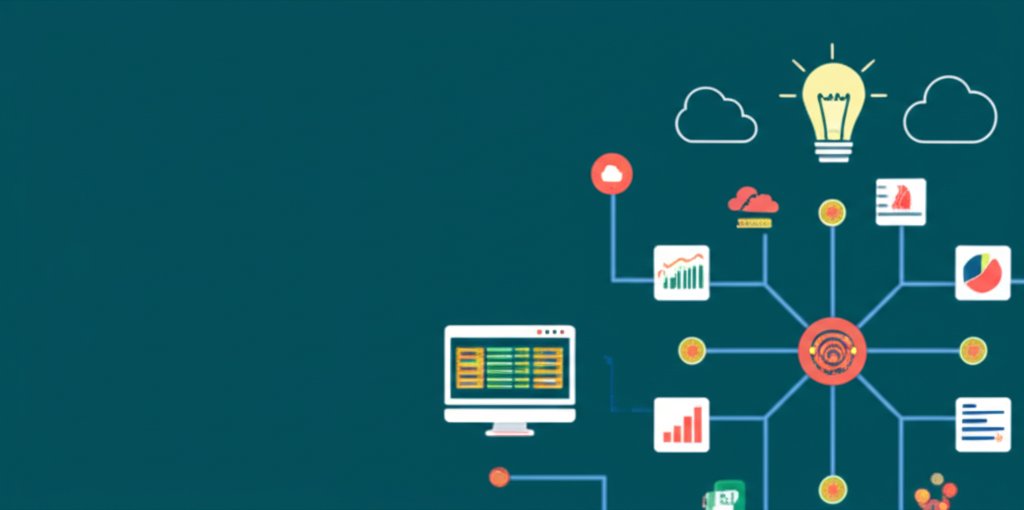
A key trend influencing this growth is the adoption of AI-powered tools that enhance efficiency and provide deeper insights into customer behavior. Companies are leveraging artificial intelligence to automate processes, personalize marketing efforts, and improve customer support, resulting in higher engagement rates and satisfaction. Moreover, the rise of low-code and no-code platforms is democratizing software development, allowing businesses of all sizes to innovate rapidly without extensive technical expertise.
Another significant trend is the shift towards hybrid work environments. As more companies embrace remote and flexible working arrangements, there is an increased demand for collaboration tools and platforms that facilitate seamless communication and project management across distributed teams. This trend is expected to continue driving the need for robust SaaS solutions that cater to these evolving workplace dynamics.
| Trend | Impact on Market | Expected Growth Rate |
|---|---|---|
| AI Integration | Improved customer engagement and operational efficiency | 25% CAGR |
| Hybrid Work Solutions | Increased demand for collaboration tools | 30% CAGR |
| Low-Code Platforms | Rapid innovation and development | 28% CAGR |
Key Challenges Faced by SaaS Marketers
Despite the promising growth prospects, B2B SaaS marketers face several challenges that require strategic solutions. One of the primary hurdles is the highly competitive landscape. With new players entering the market, differentiating products and services is increasingly difficult. Marketers must focus on creating unique value propositions and leveraging advanced technologies like AI to stand out.
Another challenge is customer retention. The subscription-based model of SaaS means that retaining customers is as crucial as acquiring new ones. Marketers need to implement comprehensive lifecycle marketing strategies that address every stage of the customer journey, from onboarding to long-term engagement. This involves not only delivering exceptional product experiences but also providing consistent value through education and support.
Data privacy regulations present additional obstacles. With laws like GDPR and CCPA, SaaS companies must ensure compliance while still collecting and utilizing customer data effectively. This requires transparent communication about data usage policies and robust security measures to protect sensitive information.
Finally, measuring success in b2b saas marketing can be complex due to the intricate sales cycles and diverse customer touchpoints. Marketers need to employ sophisticated analytics tools and KPIs that accurately track performance across channels and campaigns, setting the stage for discussions in later sections on metrics and revenue attribution models.
As we delve deeper into core strategies, innovative approaches, and sustainability practices in subsequent sections, understanding these market trends and challenges will provide a solid foundation for crafting effective B2B SaaS marketing strategies.
Core B2B SaaS Marketing Strategies
Customer-Centric Product Development
In the competitive landscape of B2B SaaS marketing, understanding and aligning with customer needs is paramount. This approach not only enhances product relevance but also boosts customer satisfaction and retention. Here are strategic steps to achieve a customer-centric product development process:

Conduct Deep Customer Research: Engage in comprehensive market research to understand your customers’ pain points, preferences, and behaviors. Utilize surveys, interviews, and focus groups to gather qualitative insights. These efforts should be ongoing to adapt to evolving customer needs.
Create Detailed Buyer Personas: Develop in-depth buyer personas that reflect your target audience’s demographics, challenges, and goals. This will guide product development and marketing strategies to ensure they resonate with your audience.
Implement Feedback Loops: Establish systems for continuous feedback from customers. Use tools like Net Promoter Score (NPS) surveys and user feedback forms to gather actionable insights that inform product enhancements.
Foster Cross-Departmental Collaboration: Encourage collaboration between marketing, sales, and product teams. This ensures that the voice of the customer is integrated into every stage of product development, from ideation to launch.
By adopting these strategies, companies can develop products that not only meet but exceed customer expectations, fostering long-term loyalty and advocacy.
Lifecycle Marketing Essentials
Maximizing customer lifetime value (CLV) is a cornerstone of effective B2B SaaS marketing. Lifecycle marketing involves engaging customers at every stage of their journey with your brand, from awareness to advocacy. Here’s how to implement it effectively:
Onboarding Excellence: A seamless onboarding process is critical. Provide clear guidance and resources to help new users understand and utilize the full potential of your product. Consider personalized onboarding sessions or tutorials to enhance user experience.
Engagement Campaigns: Develop targeted campaigns to keep existing customers engaged. Regular updates about new features, case studies demonstrating successful use, or personalized suggestions based on user activity can maintain interest and satisfaction.
Loyalty Programs: Create loyalty programs or reward systems that recognize and incentivize frequent use or referrals. This not only enhances retention but also transforms satisfied customers into brand advocates.
Churn Reduction Strategies: Analyze customer usage patterns to identify signs of disengagement early. Implement proactive measures such as offering personalized support or discounts to retain at-risk customers.
The following table outlines key strategies and their potential impact on customer lifetime value:
| Strategy | Description | Potential Impact on CLV |
|---|---|---|
| Onboarding Excellence | Smooth onboarding process with personalized support. | Increases initial engagement by up to 50%. |
| Engagement Campaigns | Regular updates and personalized content. | Boosts retention rates by approximately 20%. |
| Loyalty Programs | Rewards for frequent use and referrals. | Enhances brand advocacy and reduces churn by up to 15%. |
| Churn Reduction | Proactive identification of disengaged users. | Lowers churn rate by up to 25%. |
By implementing these lifecycle marketing essentials, B2B SaaS companies can significantly increase their customer lifetime value, ensuring sustained growth and profitability. As we explore further in the next sections, innovative approaches such as integrating AI in marketing campaigns and building a community-driven brand can further amplify these strategies.
Innovative Approaches to SaaS Marketing
In the ever-evolving landscape of B2B SaaS marketing, staying ahead of the curve requires embracing innovation. As businesses strive to differentiate themselves, two strategies stand out: integrating artificial intelligence (AI) in marketing campaigns and building a community-driven brand. These approaches not only enhance customer engagement but also drive sustainable growth.

Integrating AI in Marketing Campaigns
The integration of AI in marketing campaigns has transformed how SaaS companies interact with their customers. By leveraging AI tools, businesses can achieve unprecedented levels of personalization and engagement. For instance, AI-driven analytics platforms can process vast amounts of customer data to deliver highly targeted content that resonates with individual users.
AI Tools Enhancing Personalization:
- Chatbots: AI-powered chatbots provide real-time support and personalized recommendations, reducing response times and improving customer satisfaction.
- Predictive Analytics: By analyzing historical data, predictive analytics tools forecast future behavior, allowing marketers to tailor strategies that anticipate customer needs.
- Content Recommendation Engines: These engines utilize machine learning to suggest relevant content, increasing user engagement and retention rates.
A case in point is Salesforce’s use of Einstein AI, which offers predictive lead scoring and custom recommendation engines, resulting in a 38% increase in sales productivity. Such advancements demonstrate how AI can be a game-changer in B2B SaaS marketing.
| AI Tool | Functionality | Benefits |
|---|---|---|
| Chatbots | Real-time customer interaction | Improves response times and customer satisfaction |
| Predictive Analytics | Forecasts future behavior | Enables proactive strategy adjustments |
| Content Recommendation Engines | Suggests relevant content | Increases engagement and retention |
Building a Community-Driven Brand
Another innovative approach in B2B SaaS marketing is fostering a strong community around the brand. A community-driven brand not only boosts customer loyalty but also turns users into brand advocates. By creating spaces where users can share insights, ask questions, and provide feedback, companies can build trust and authenticity.
Benefits of Fostering a Strong User Community:
- User-Generated Content: Encourages users to create content, enhancing brand visibility and credibility.
- Peer Support Networks: Users help each other solve problems, increasing product adoption and satisfaction.
- Feedback Loop: Direct feedback from the community informs product development, ensuring customer-centric innovations.
A notable example is the Atlassian Community, where users connect globally to share best practices and solutions. This has not only enriched the user experience but also contributed to a 25% increase in customer retention. By investing in community-building efforts, B2B SaaS companies can harness the power of collective knowledge and enthusiasm.
Tying these innovative approaches together with core strategies discussed earlier can create a robust marketing framework. As businesses look towards sustainability in marketing (explored in the next section), integrating AI and community-building initiatives will be crucial for maintaining competitive advantage.
Sustainability in SaaS Marketing
Why Sustainability Matters
In the evolving landscape of B2B SaaS marketing, sustainability has moved from being a buzzword to a vital component of brand strategy. Modern businesses are increasingly scrutinized for their environmental impact, with 73% of consumers willing to change their consumption habits to reduce their environmental footprint, according to a 2023 study by IBM. For SaaS companies, embracing sustainability not only enhances brand perception but also fosters trust among environmentally conscious clients.
Sustainability influences customer loyalty and can be a differentiator in a crowded market. With more companies adopting green practices, those lagging may find themselves at a competitive disadvantage. Furthermore, sustainable practices can lead to cost efficiencies and innovation opportunities, aligning with long-term business objectives.
Implementing Green Marketing Strategies
Embracing eco-friendly marketing strategies is not only about reducing environmental impact but also about enhancing brand value and customer engagement. Here are practical steps SaaS companies can take towards sustainable marketing:
- Adopt Digital-First Approaches: Transition from traditional, paper-based marketing materials to digital content. E-books, webinars, and virtual events are not only cost-effective but also significantly reduce carbon footprints.
- Optimize Data Centers: Encourage the use of renewable energy sources for data centers. Cloud providers like Google and AWS offer environmentally friendly options which can be promoted as part of your service offering.
- Leverage Sustainable Content: Create content that educates customers on sustainability. Share your company’s sustainability journey through blogs, social media, and case studies to engage customers and stakeholders.
- Partner with Green Organizations: Collaborate with environmental NGOs or participate in green initiatives as part of your corporate social responsibility efforts. This can help boost your brand’s image and credibility.
- Measure and Report: Implement systems to measure the environmental impact of your marketing efforts. Regularly report these metrics to stakeholders to maintain transparency and accountability.
To illustrate the potential impact of these strategies, consider the following table which highlights key benefits associated with sustainable practices in marketing:
| Sustainable Practice | Benefit |
|---|---|
| Digital-First Approaches | Cost reduction and expanded reach |
| Optimizing Data Centers | Reduced energy costs and enhanced brand reputation |
| Sustainable Content Creation | Improved customer engagement and loyalty |
| Green Partnerships | Enhanced credibility and access to new markets |
| Environmental Impact Reporting | Increased transparency and stakeholder trust |
As B2B SaaS companies look towards the future, integrating sustainability into their marketing strategies not only aligns with global trends but also offers tangible benefits. By implementing these green practices, businesses can drive growth while contributing positively to the environment—a win-win scenario that aligns with evolving consumer values.
Measuring Success: Metrics That Matter
In the dynamic world of B2B SaaS marketing, understanding what success looks like is crucial. As businesses strive for growth, measuring the impact of marketing efforts through specific metrics becomes essential. This section delves into the key performance indicators (KPIs) that align with business objectives and explores advanced revenue attribution models to ensure every marketing dollar is well spent.
KPIs for B2B SaaS Success
Identifying the right KPIs is foundational to any successful marketing strategy. For B2B SaaS companies, these metrics not only gauge the effectiveness of campaigns but also guide strategic decision-making. Here are some critical KPIs to consider:
- Customer Acquisition Cost (CAC): This metric measures the total cost of acquiring a new customer, including marketing expenses. Keeping CAC low while increasing customer numbers is a balancing act that signals efficient marketing.
- Customer Lifetime Value (CLV): Understanding the total revenue a customer is expected to generate during their engagement with your company helps in optimizing spending on customer acquisition and retention.
- Monthly Recurring Revenue (MRR): A core metric for SaaS companies, MRR provides insights into predictable revenue streams, enabling better financial forecasting and strategy planning.
- Churn Rate: Monitoring how many customers stop using your service over a given period is vital. A low churn rate often indicates high customer satisfaction and strong product-market fit.
- Net Promoter Score (NPS): This is a measure of customer loyalty and satisfaction. A high NPS suggests that customers are more likely to recommend your service, driving organic growth.
The strategic use of these KPIs can help B2B SaaS marketers fine-tune their strategies, ensuring alignment with broader business goals. Regularly reviewing these metrics allows for agile adjustments in tactics, leading to enhanced performance.
Advanced Revenue Attribution Models
Beyond tracking KPIs, understanding how different marketing efforts contribute to revenue is essential. This is where advanced revenue attribution models come into play, offering insights into which channels and strategies drive the most value. Let’s explore some popular models:
| Attribution Model | Description | Best Use Case |
|---|---|---|
| First-Touch Attribution | This model credits the first marketing touchpoint as the sole contributor to a conversion. | Ideal for understanding which channels are best at generating initial interest. |
| Last-Touch Attribution | Credits only the final touchpoint before conversion. | Suits businesses focusing on closing deals and understanding the final step to conversion. |
| Multi-Touch Attribution | Distributes credit across multiple touchpoints in the customer journey. | Best for complex sales cycles where multiple interactions influence purchase decisions. |
| Time-Decay Attribution | Gives more weight to touchpoints closer to the conversion event. | Useful for B2B SaaS products with long sales cycles, where recent engagements are seen as more influential. |
Choosing the right attribution model depends on your business goals and the nature of your sales cycle. By leveraging these models, companies can gain a clearer picture of their marketing effectiveness, allowing for more strategic allocation of resources.
As B2B SaaS marketing continues to evolve, the ability to measure success accurately becomes increasingly critical. By focusing on relevant KPIs and employing advanced attribution models, businesses can ensure their marketing efforts are both efficient and impactful. The next section will take a closer look at real-world applications with case studies from leading SaaS companies, illustrating how these strategies translate into tangible results.
Case Studies: Success Stories from Leading SaaS Companies
In the competitive world of B2B SaaS marketing, learning from industry leaders can provide invaluable insights. Here, we explore two compelling case studies that highlight innovative strategies and their successful execution.
Case Study 1: Emerging Market Success
One notable example of success in an emerging market comes from a SaaS company that ventured into Southeast Asia, a region witnessing rapid digital transformation. This company, which we’ll call TechSolutions for confidentiality, employed a combination of localized marketing tactics and strategic partnerships to penetrate the market effectively.
Strategy Analysis:
- Localization: TechSolutions invested in understanding local business cultures and consumer behavior to tailor its product offerings accordingly. This involved translating their software interfaces and marketing materials into regional languages and adapting their customer service to meet local expectations.
- Strategic Partnerships: The company established alliances with local tech firms and regulatory bodies. These partnerships facilitated trust and credibility, essential for gaining traction in a new market.
- Targeted Content Marketing: By creating content that resonated with regional issues and trends, TechSolutions positioned itself as a thought leader in the market.
Lessons Learned:
The key takeaway from TechSolutions’ success is the importance of cultural sensitivity and collaboration. In B2B SaaS marketing, especially in unfamiliar markets, aligning with local partners and customizing marketing strategies can significantly enhance market entry efforts.
Case Study 2: Emotional Branding Impact
The second case study focuses on SoftServe, a SaaS firm that leveraged emotional branding to deepen customer loyalty and engagement. By moving beyond traditional feature-focused marketing, SoftServe tapped into the emotional drivers of their target audience.
Strategy Analysis:
- Storytelling: SoftServe crafted compelling narratives that highlighted customer success stories, thereby humanizing their brand. These stories were shared across multiple platforms, creating an emotional connection with potential clients.
- Community Engagement: They built an online community where users could share experiences and provide feedback. This not only enhanced customer engagement but also fostered a sense of belonging among users.
- Personalized Experiences: Using customer data, SoftServe personalized interactions and communications, making each client feel valued and understood.
Lessons Learned:
The significant lesson from SoftServe’s approach is that emotional branding can be a powerful tool in B2B SaaS marketing. By focusing on emotional connections, companies can create more profound relationships with their customers, leading to increased loyalty and advocacy.
Both case studies illustrate that whether entering new markets or enhancing brand loyalty, innovative marketing strategies tailored to specific challenges and opportunities can drive exceptional results. As we move forward to explore how these lessons can be applied across different scenarios, it’s clear that adaptability and customer-focused approaches remain pivotal in achieving success in the B2B SaaS landscape.
| Key Strategy | TechSolutions | SoftServe |
|---|---|---|
| Market Entry | Localization & Partnerships | N/A |
| Branding Approach | N/A | Emotional Branding & Storytelling |
| Customer Engagement | Localized Content Marketing | Community Building & Personalization |
The strategies implemented by these companies offer practical insights for others looking to refine their B2B SaaS marketing tactics. By embracing cultural nuances and emotional engagement, SaaS companies can not only enter new markets efficiently but also build lasting relationships with their customers.
Conclusion: Elevate Your B2B SaaS Marketing Strategy
As the B2B SaaS landscape continues to evolve, staying ahead requires a blend of traditional wisdom and innovative approaches. This guide has explored the complexities of the current market, from understanding emerging trends and challenges to harnessing the power of AI and community-driven branding. By focusing on customer-centric product development and lifecycle marketing, companies can create more meaningful connections with their customers.
Moreover, adopting sustainable practices not only meets growing consumer demand but also enhances brand reputation in a competitive market. Measuring success through key performance indicators and advanced revenue attribution models ensures that every marketing effort is aligned with business goals.
The success stories of leading SaaS companies illustrate the transformative power of effective B2B SaaS marketing strategies. Now is the time for your business to implement these strategies, track your progress, and adapt as needed. To gain even deeper insights into these techniques, we invite you to join our exclusive webinar where industry experts will share their experiences and advice.
By embracing these strategies, you position your company not just to compete, but to thrive in the dynamic world of B2B SaaS marketing. Make 2026 the year your marketing efforts drive real, measurable results.
Frequently Asked Questions
What is B2B SaaS marketing?
B2B SaaS marketing focuses on promoting software-as-a-service products to other businesses. It involves strategies that cater to the unique needs and decision-making processes of business clients, often emphasizing long-term relationships and demonstrating ROI through data-driven results.
How does B2B SaaS marketing differ from B2C marketing?
B2B SaaS marketing targets businesses and focuses on building relationships, showcasing product value in terms of efficiency and ROI, and often involves longer sales cycles. In contrast, B2C marketing targets individual consumers and often focuses on emotional appeal and shorter decision-making processes.
What are the key challenges in B2B SaaS marketing?
Key challenges include differentiating in a crowded market, managing long sales cycles, and effectively demonstrating value to decision-makers. Additionally, aligning marketing with sales and product teams to ensure consistent messaging can be complex but is critical for success.
How can AI be integrated into B2B SaaS marketing?
AI can enhance B2B SaaS marketing by automating repetitive tasks, personalizing customer experiences, and providing deeper insights through data analysis. For example, AI-driven chatbots can improve customer engagement, while predictive analytics can help tailor marketing strategies.
What metrics are crucial for measuring success in B2B SaaS marketing?
Essential metrics include customer acquisition cost (CAC), customer lifetime value (CLV), churn rate, and monthly recurring revenue (MRR). These metrics help gauge the efficiency of marketing efforts and the overall health of the business.
How important is sustainability in B2B SaaS marketing?
Sustainability is increasingly crucial as more businesses prioritize environmental responsibility. Implementing green marketing strategies not only helps attract eco-conscious clients but also enhances brand reputation and aligns with broader corporate social responsibility goals.